What to Look for in a Broker Portal for UAE Real Estate Teams
- 3 weeks
-
 Mahendra Tomer

A property consultant receives an inquiry from a listing marketplace just before lunch. The buyer wants updated pricing, inventory confirmation, and a revised payment structure before scheduling a site visit later that evening. While checking spreadsheets, internal chats, and approval emails, the opportunity quietly moves to another project. Across the UAE property market, situations like this are becoming increasingly common as expanding inventories and multi-channel selling environments expose the coordination gaps hidden inside disconnected operational systems still used by many real estate organizations today.
The UAE Property Market Is Growing Faster Than Traditional Coordination Models
Real estate businesses across Dubai, Abu Dhabi, and Riyadh now operate in highly competitive sales environments where response speed directly influences conversion quality. Agencies manage digital campaigns, overseas investors, developer launches, referral ecosystems, and marketplace listings simultaneously while trying to maintain visibility across every buyer interaction.
According to Dubai Land Department, Dubai recorded more than AED 760 billion in real estate transactions during 2025, reflecting the scale and momentum of the region’s evolving property sector. Insights published by JLL Middle East Research also show that GCC property firms continue increasing investments in digital infrastructure to improve operational responsiveness and collaboration efficiency.
The challenge for many organizations is no longer lead generation.
The challenge is operational coordination.
Inventory updates frequently move through disconnected channels. Approval workflows depend heavily on manual communication. Lead assignments often remain separated from reporting systems. As transaction volumes increase, these inefficiencies become harder to manage, especially in regions facing the MENA real estate lead conversion problem.
Common operational gaps slowing property sales environments
- delayed inventory synchronization across multiple channels
- duplicate lead allocation between partner networks
- inconsistent communication between departments
- fragmented reporting visibility
- repeated manual follow-ups during active transactions
- unclear payout tracking structures
These issues may appear manageable individually, but together they create unnecessary friction across the transaction lifecycle.
Why Older Portal Structures No Longer Support Modern Property Operations
Several years ago, most real estate portals focused mainly on displaying inventory access. That approach no longer supports the complexity of today’s MENA property environment where agencies, developers, and external sales ecosystems must coordinate continuously across multiple touchpoints.
Modern organizations require connected operational environments capable of handling communication, inventory movement, reporting visibility, documentation, and lead coordination within the same structure.
A strong Real estate broker management system should improve execution quality instead of functioning as a static listing dashboard.
That distinction matters because buyer expectations across the GCC continue rising rapidly. Prospects expect immediate updates regardless of whether inquiries originate through marketplaces, campaigns, referral channels, or developer ecosystems. This is where structured systems like real estate CRM lead management become essential for maintaining visibility across distributed teams.
Research published by Knight Frank MENA Research highlights continued growth in off-plan demand across major GCC markets throughout 2025. As competition intensifies, delays in coordination can quietly affect deal progression even when market demand remains strong.
Multi-Channel Listing Visibility Has Become Essential
Property inventory no longer exists inside a single platform. Teams now distribute listings through websites, marketplaces, referral ecosystems, social campaigns, and external agency networks simultaneously.
Managing those updates manually creates avoidable confusion.
Without centralized visibility, outdated availability or pricing information often reaches prospective buyers before internal teams can correct the discrepancy. That inconsistency affects credibility almost immediately, especially during high-volume launch periods.
Important capabilities organizations should prioritize
- centralized inventory synchronization
- pricing revision management
- real-time listing visibility
- engagement tracking across channels
- duplicate publishing prevention
- structured lead distribution workflows
This becomes particularly important in Dubai’s fast-moving off-plan environment where inventory movement can change several times within a single day.
Commission Transparency Directly Impacts Long-Term Collaboration
Commission-related confusion remains one of the most common operational frustrations inside property ecosystems. Delayed calculations, unclear ownership structures, and inconsistent payout communication can weaken trust between developers and external sales representatives over time.
An efficient Real estate commission management workflow should reduce uncertainty rather than increase dependency on repeated clarification.
When payout visibility improves, collaboration quality usually improves alongside it because external sales advisors spend less time chasing updates and more time progressing active opportunities.
Features that improve payout visibility
- automated commission calculations
- milestone-based payment tracking
- centralized invoice coordination
- approval workflow visibility
- transparent deal ownership records
- structured payout reporting
For larger property organizations managing distributed agency ecosystems, financial transparency becomes increasingly important for maintaining operational consistency.
Communication Structures Often Determine How Quickly Deals Progress
Many property firms still rely heavily on disconnected communication methods where inventory approvals, document sharing, and lead coordination move separately through spreadsheets, messaging groups, and internal email chains.
That operational fragmentation quietly affects response speed.
According to PwC Middle East Real Estate Insights, real estate firms across the GCC are increasingly investing in connected operational ecosystems to improve coordination, visibility, and long-term business resilience.
A modern Broker collaboration platform should simplify coordination instead of adding additional administrative layers.
Collaboration features that improve operational consistency
- centralized communication visibility
- integrated document access
- connected approval workflows
- notification-based activity updates
- developer interaction visibility
- structured lead assignment tracking
When communication becomes easier, teams respond more consistently across the entire transaction process.
Performance Visibility Is Becoming a Strategic Requirement
Sales leadership teams across the UAE increasingly want deeper operational visibility instead of relying only on final booking numbers. Organizations now monitor response efficiency, lead quality, inventory engagement trends, and conversion consistency much more closely than before.
Without structured reporting, many firms continue investing in underperforming acquisition channels without understanding where operational leakage actually occurs.
Modern environments should help organizations track:
- conversion quality across campaigns
- response speed consistency
- inventory engagement trends
- project-wise performance visibility
- partner productivity patterns
- lead handling efficiency
PropTech adoption across the Middle East continues expanding as organizations invest in digital infrastructure capable of supporting larger operational ecosystems. This shift is also being driven by advancements in AI in Middle East real estate, where automation and predictive insights are improving decision-making and operational efficiency.
This shift is changing how property leadership teams evaluate efficiency across distributed sales networks.
Integration Flexibility Is No Longer Optional
Many real estate organizations still operate with disconnected systems where CRM environments, marketplaces, reporting structures, payment workflows, and finance platforms function independently from one another.
Over time, disconnected infrastructure creates duplicated effort and inconsistent visibility.
According to Deloitte Middle East Real Estate Center of Excellence, real estate organizations across the Middle East are increasingly prioritizing connected operational ecosystems, digital infrastructure, and AI-enabled workflows to improve coordination, visibility, and long-term portfolio performance.
A modern platform should support integration with:
- CRM systems
- property marketplaces
- finance environments
- documentation workflows
- payment structures
- centralized reporting tools
The objective is not simply automation.
The objective is operational clarity.
Mobility Has Become Part of Everyday Property Operations
Most sales representatives now work across client meetings, launch events, developer offices, and site visits throughout the day. Systems designed mainly for office-based workflows often slow execution unnecessarily.
Modern operational environments should support:
- mobile accessibility
- real-time inventory visibility
- centralized activity history
- instant notification workflows
- document access during site visits
- payment visibility on mobile devices
Faster access to information helps opportunities move through the sales pipeline with fewer coordination delays.
A More Connected Approach to Sales Coordination
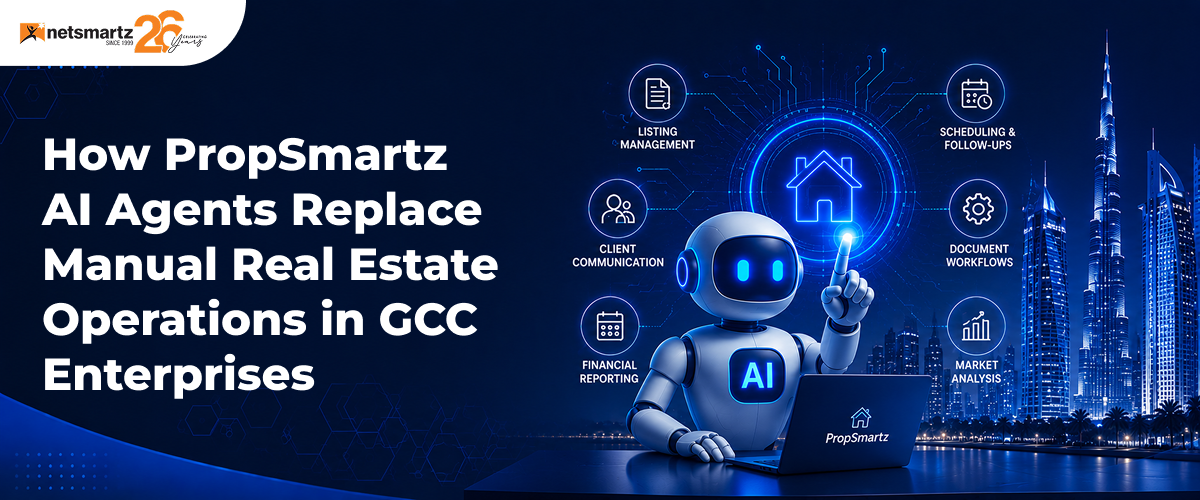
Several technology providers are now focusing on centralized ecosystems designed to improve visibility and coordination quality across distributed property operations. One example is PropSmartz with AI first approach, which aims sales collaboration through connected workflows instead of isolated listing access.
How PropSmartz Helps UAE Real Estate Teams Operate Faster
Built on Salesforce infrastructure, PropSmartz supports onboarding workflows, inventory synchronization, lead registration visibility, commission coordination, reporting structures, and communication management inside a unified operational environment.
The platform also helps reduce duplicate registrations while improving consistency across multiple sales channels. For UAE and wider MENA organizations managing large partner ecosystems, this type of connected structure can simplify day-to-day coordination while improving visibility across the transaction lifecycle.
According to KPMG UAE Insights, organizations with strong AI implementation strategies, connected data infrastructure, and AI-native workflows are increasingly outperforming businesses still treating AI as a secondary operational layer.
Conclusion
The UAE property sector is entering a phase where operational coordination matters almost as much as inventory quality itself. Buyers expect faster responses, developers expect stronger visibility, and external sales ecosystems expect smoother collaboration across every stage of the transaction process.
The platforms that succeed over the next few years will not simply display listings. They will help organizations reduce friction, improve execution speed, and create stronger collaboration structures across increasingly complex sales environments. In competitive markets like Dubai and Riyadh, that operational advantage may ultimately determine which property networks continue scaling successfully across the MENA region.

Frequently Asked Questions
- What is a broker portal in real estate?
- Why are modern coordination systems important in the UAE property market?
- How does commission visibility improve collaboration?
- Can modern platforms integrate with property marketplaces?
- Why is operational visibility important for property organizations?
- What makes modern broker ecosystems different from traditional portals?
A broker portal is a centralized environment used to manage listings, leads, commissions, and collaboration activities.
They improve visibility, response speed, and operational efficiency across multiple sales channels.
It reduces disputes and provides clearer transparency around payouts and deal ownership.
Yes, many systems support integration with marketplaces, CRM environments, and payment workflows.
It helps teams identify inefficiencies, improve decision-making, and optimize sales performance.
Modern ecosystems focus on workflow coordination and operational efficiency instead of only listing access.